





SelectedProjects
Draftship
An independent company where I design, build, and launch thoughtful digital products like Akari.
Draftship is where I take useful ideas from early product thinking through design, engineering, and release.
Akari is the first product: a calm iPhone app that turns Apple Health data into a readable daily story.
Visit Draftship

Akari Health
I’m designing and building an iPhone app that turns Apple Health data into a calm, readable daily story.
Akari brings vitals, activity, nutrition, and goals into one clear view, then explains the numbers in plain language—without scores, judgment, or alarm.
I designed the product, visual system, themes, data stories, and widgets, then built it in SwiftUI. There’s no account, and health data stays on the iPhone.
Visit Akari
UI Design Lead
At Phrase I review UI, mentor designers, and help small product decisions feel like one clear thing.
A lot of this work is quiet: a calmer flow, a better empty state, a sharper review, a designer leaving critique with more confidence.
It sits outside a single feature, but it changes how the product feels when people use it every day.
Visit Phrase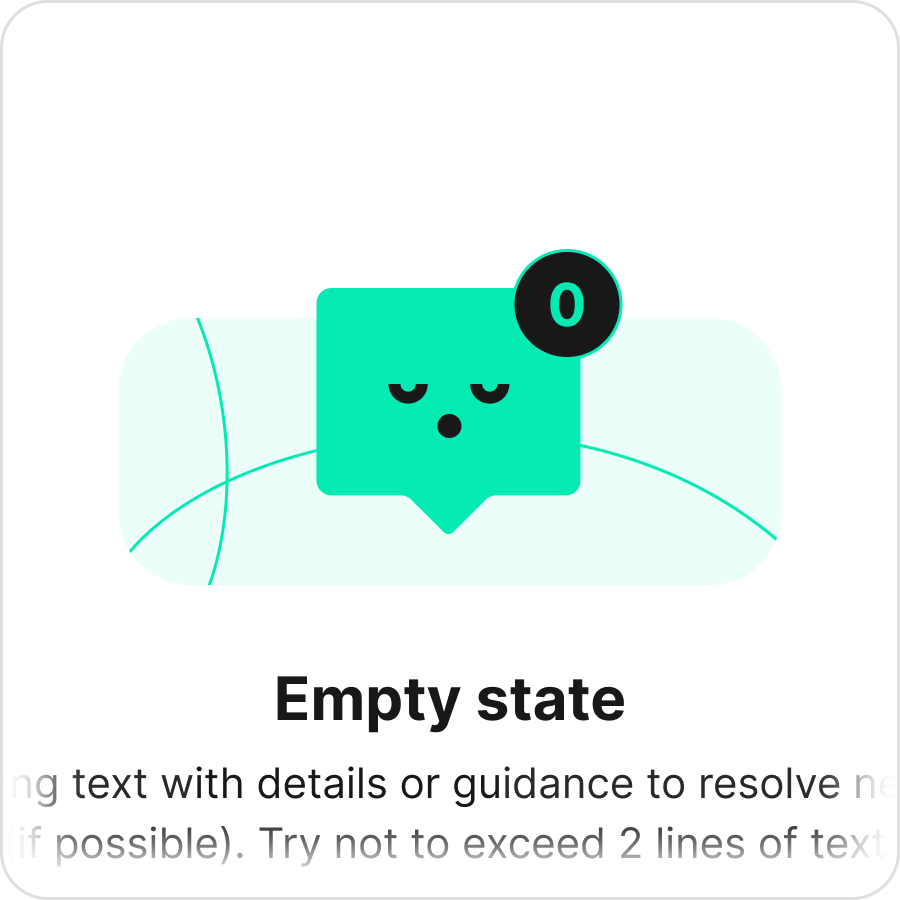
Design System
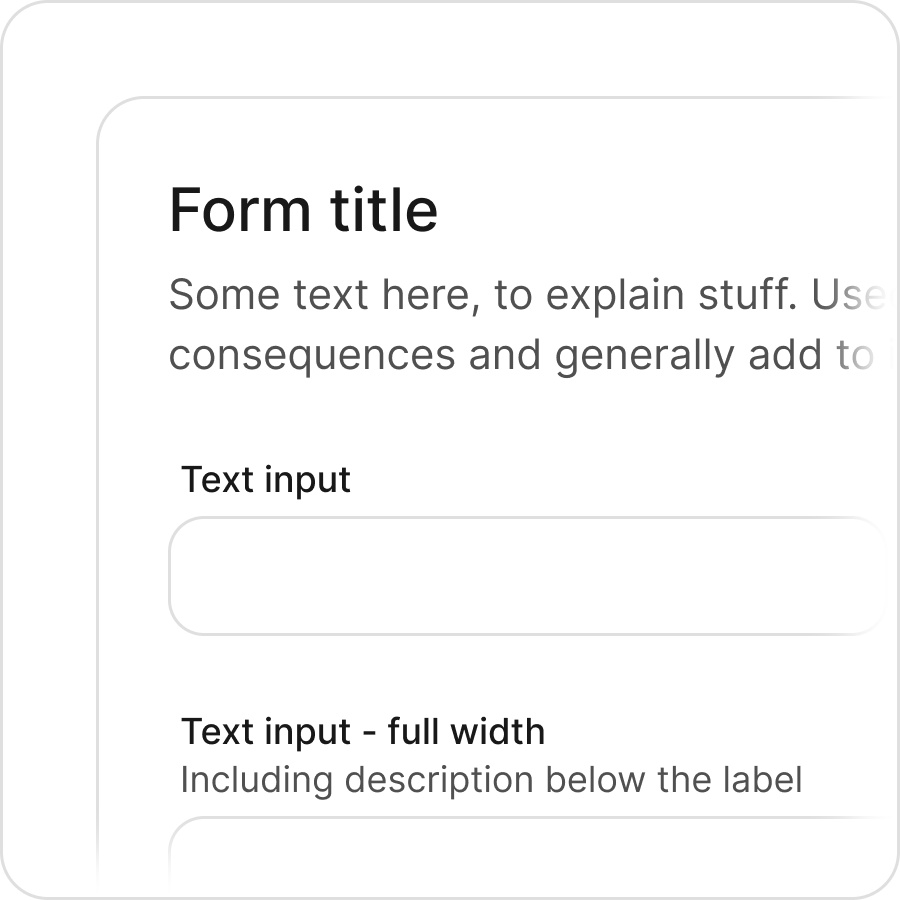
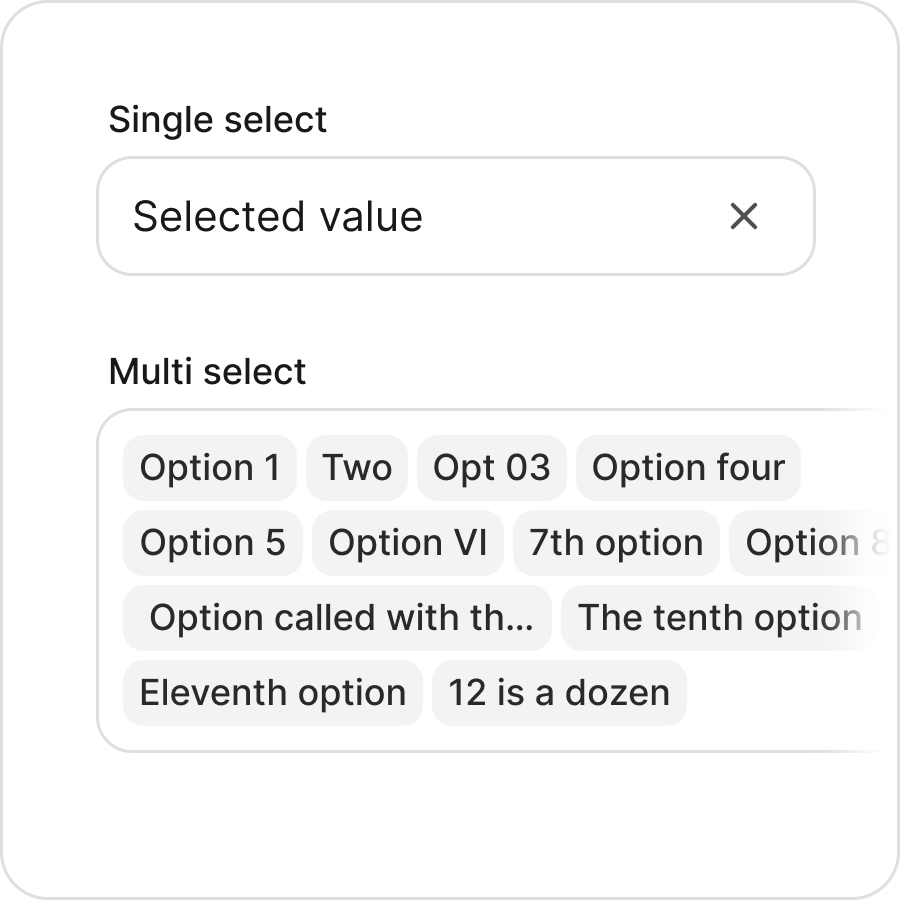
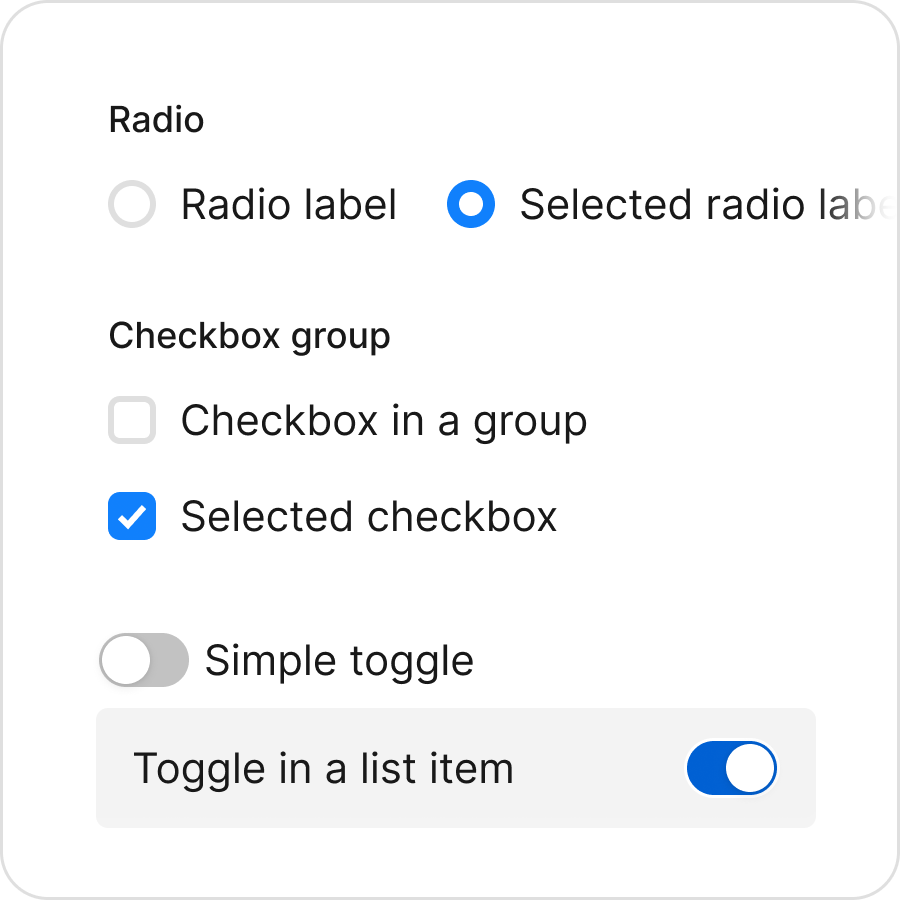
I helped turn Phrase’s scattered UI into Syntax: shared components and Figma files teams could trust.
I made the first pieces, wrote guidance, shaped accessible defaults, and kept nudging the work from spare-time maintenance into real product infrastructure.
The best part was seeing teams stop rebuilding the same thing and start moving faster with a little more confidence.
Read the case study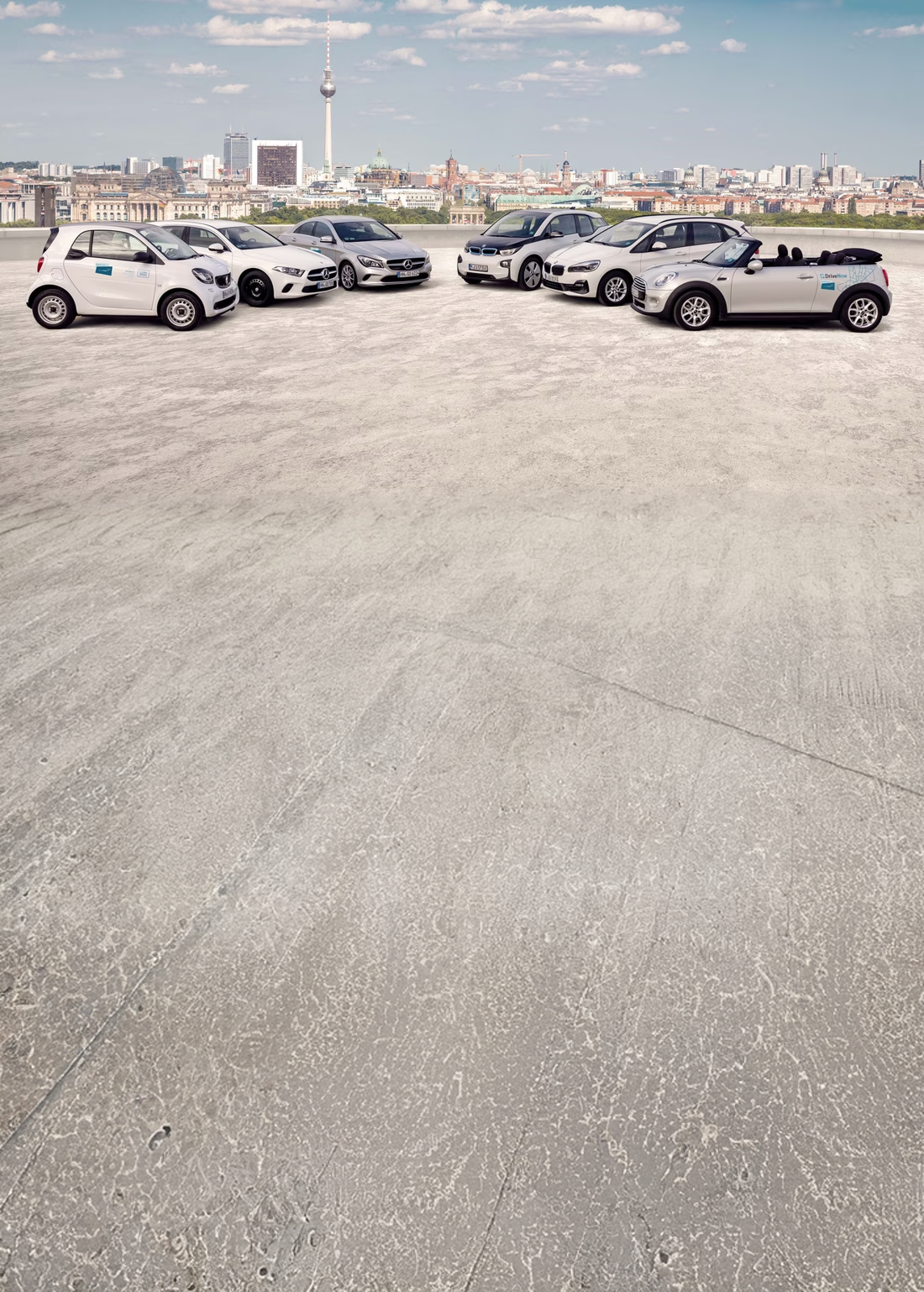
Share Now App
car2go and DriveNow were becoming one app. I helped the change feel familiar and trustworthy.
I worked on mobile flows, orientation, and small moments of reassurance across brands, cities, and existing habits.
It was not the glamorous kind of redesign. It was the useful kind: carry people through a big change without making them think too hard.
Read the case study
car2go App
I designed the mobile flow for finding, booking, opening, driving, and ending a trip.
The app had to be calm when people were not: standing in the street, in a hurry, hoping the car would just open.
I worked across iOS, Android, Windows Phone, and BlackBerry. In 2017, Time included car2go in its top apps list.
See the Time list
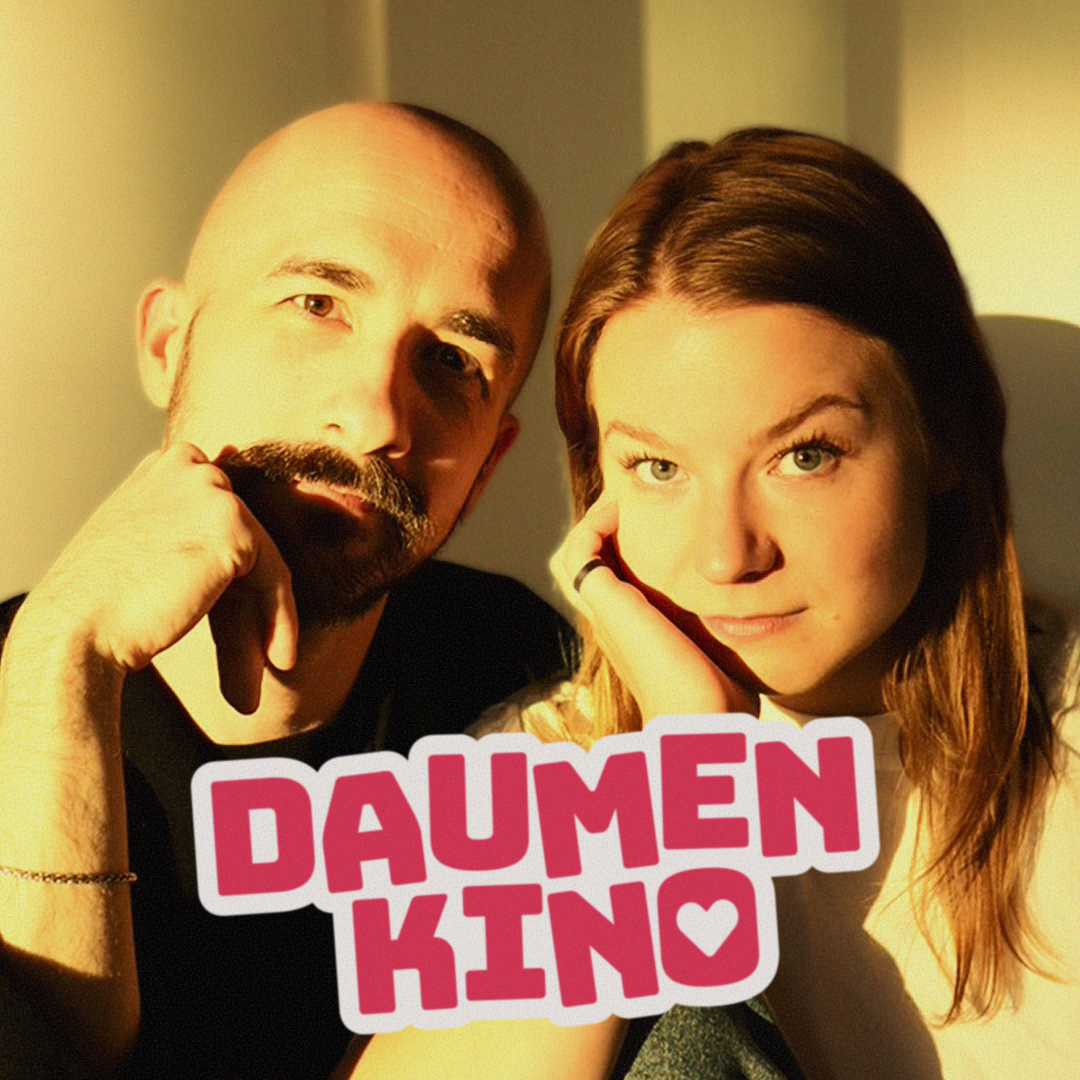
Daumenkino
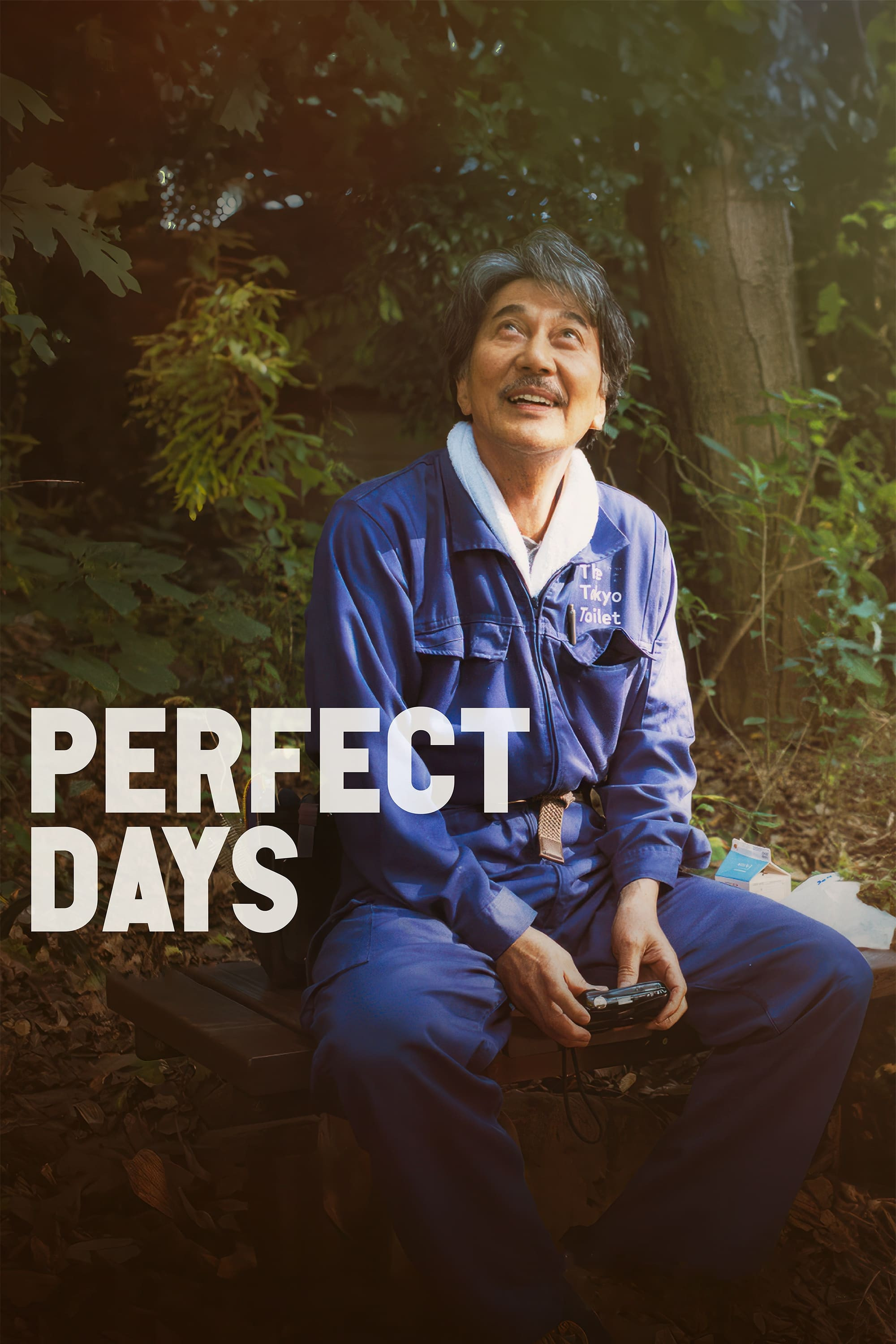
A weekly film podcast with Ann-Sophie about cinema, rituals, and the films that stayed with us.
For more than six years, Ann-Sophie and I recorded, edited, published, and shaped 190 episodes together.
It became a Monday ritual: a place to practice taste, consistency, critique, and friendship through movies.
Give it a listenYouTube
A place to practice making videos: filming, editing, color, sound, pacing, and restraint.
I do the whole thing myself: idea, script, camera, edit, grade, sound, thumbnail, publish, learn, repeat.
It feels close to product design to me. Both are about sequencing, restraint, and making invisible decisions visible.
Watch the channel

Carpenter & Story Mode
Two World of Warcraft addons I made to help a magical, dense game feel easier to read.
Story Mode turns quest text into chapters, recaps, progress, and a journal, so coming back to the story feels easier.
Carpenter cleans up chat, combat feedback, and small interface rough edges without replacing Blizzard’s UI.
See the addons








hejhub
A start page I built for myself: less drift, fewer default tabs, and gentler starts.
It collects the widgets, shortcuts, and links I actually use, then adds a little friction around the places that steal attention.
It started as a private habit. Now it is a small product idea about designing for intention, not just access.
Open hejhub