
car2go was carsharing in 26 cities and 8 countries, designed for people on a street corner with somewhere to be
- The problem
- People found, booked and opened car2go cars standing on a street, often in a hurry, on four kinds of phone.
- The work
- I designed the whole trip in the app, from finding a car to ending the rental, with two iOS and two Android developers, a QA engineer and a PM.
- The result
- Time named car2go one of its top apps of 2017, and the app later became the base for Share Now.
ContextThe app was how you got into the car
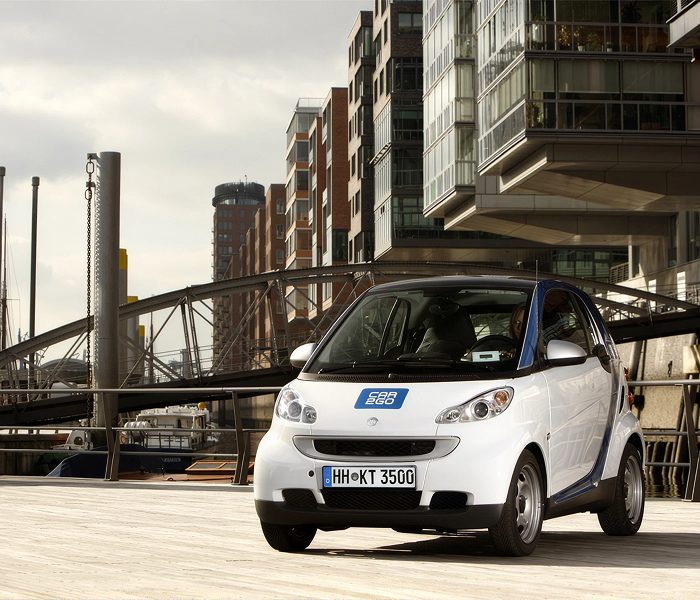
car2go was Daimler’s free-floating carsharing service. Cars stood on ordinary streets, and the app was how people used them: find a car on the map, book it, open it, drive, and end the trip by parking it again. I took the app over from its first designer. After he left, design was me and a working student at first, inside a product team of two iOS and two Android developers, a QA engineer and a product manager.
The approachLess app, more car
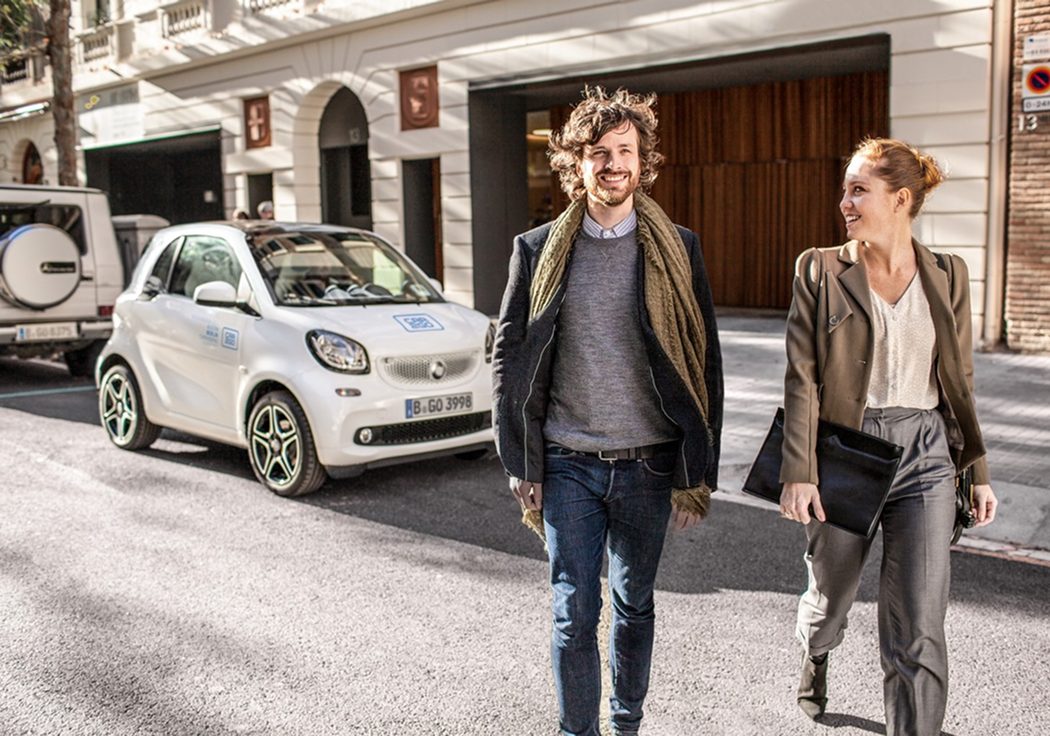
The people using it were standing on a street, often in a hurry. They didn’t want to learn an app; they wanted the car to open. So every step of the trip was judged by one rule.
The less someone has to use the app to get to the car, the better.
The groundworkFour platforms, one way of doing things
Component documentation and visual standards kept the app consistent across iOS, Android, Windows Phone and BlackBerry, so a step meant the same thing wherever someone opened it. That documentation later became the groundwork for a design system.
- 26
- cities using the app
- 8
- countries
- 4
- mobile platforms, one service
- 2017
- named in Time’s top apps of the year
TodayThe app outlived its name
In 2017, Time named car2go one of its top apps of the year. When car2go and DriveNow merged in 2019, the car2go app became the base for Share Now: that story is its own case study.
It is also where this path started: a product design internship at mytaxi, and five months later a full-time role at car2go.